vcfa-all-apps-iaas
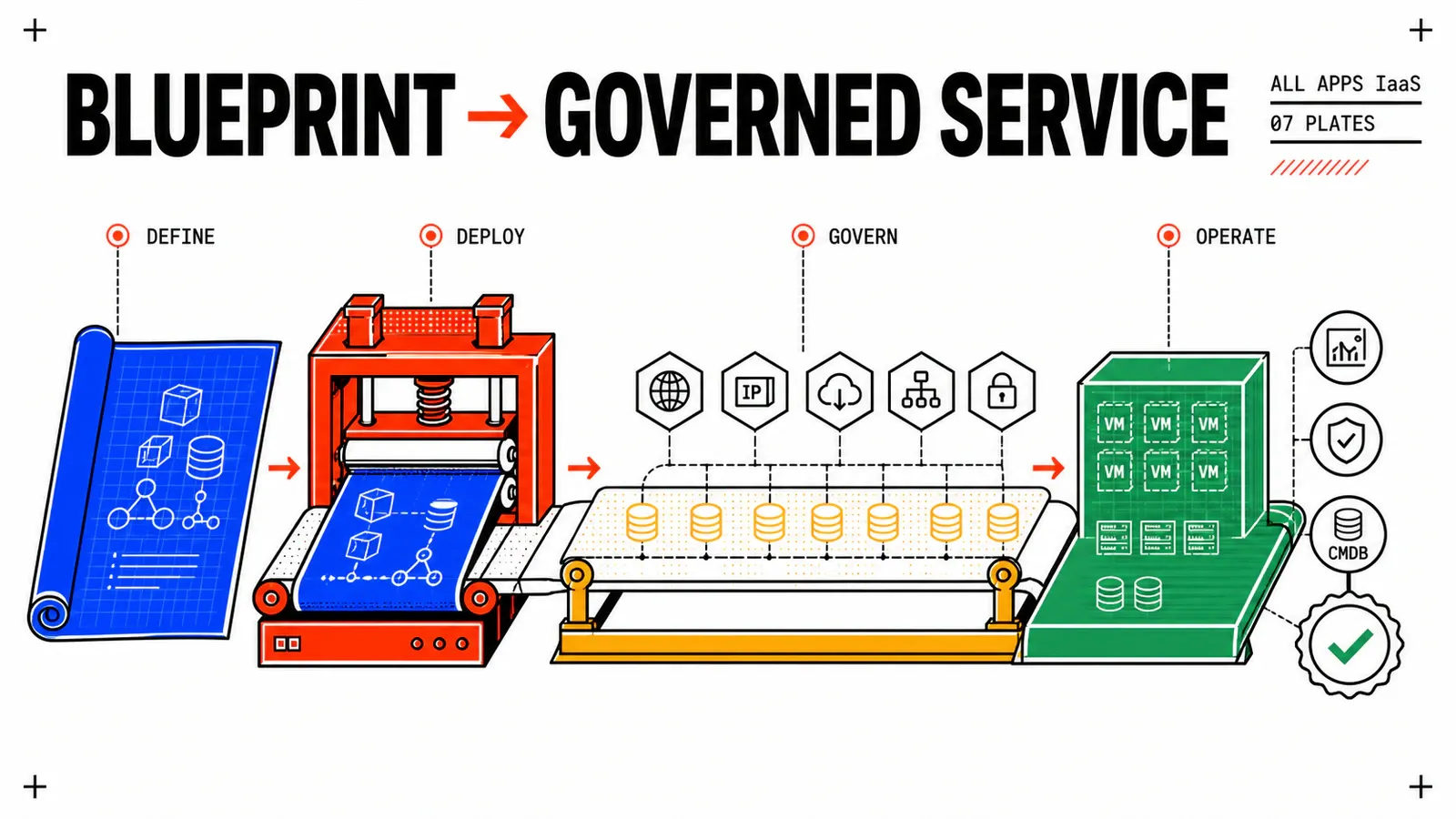
Build a Governed IaaS Service with VCF Automation 9.1 All Apps
A practical journey for building, integrating, governing, and testing a VM service with Blueprints, VM Service, Event Broker, and Orchestrator.
Open seriesCloud, DevOps and infrastructure topics organized as guided article paths.
Each series groups related articles into a reading path.
vcfa-all-apps-iaas
A practical journey for building, integrating, governing, and testing a VM service with Blueprints, VM Service, Event Broker, and Orchestrator.
Open series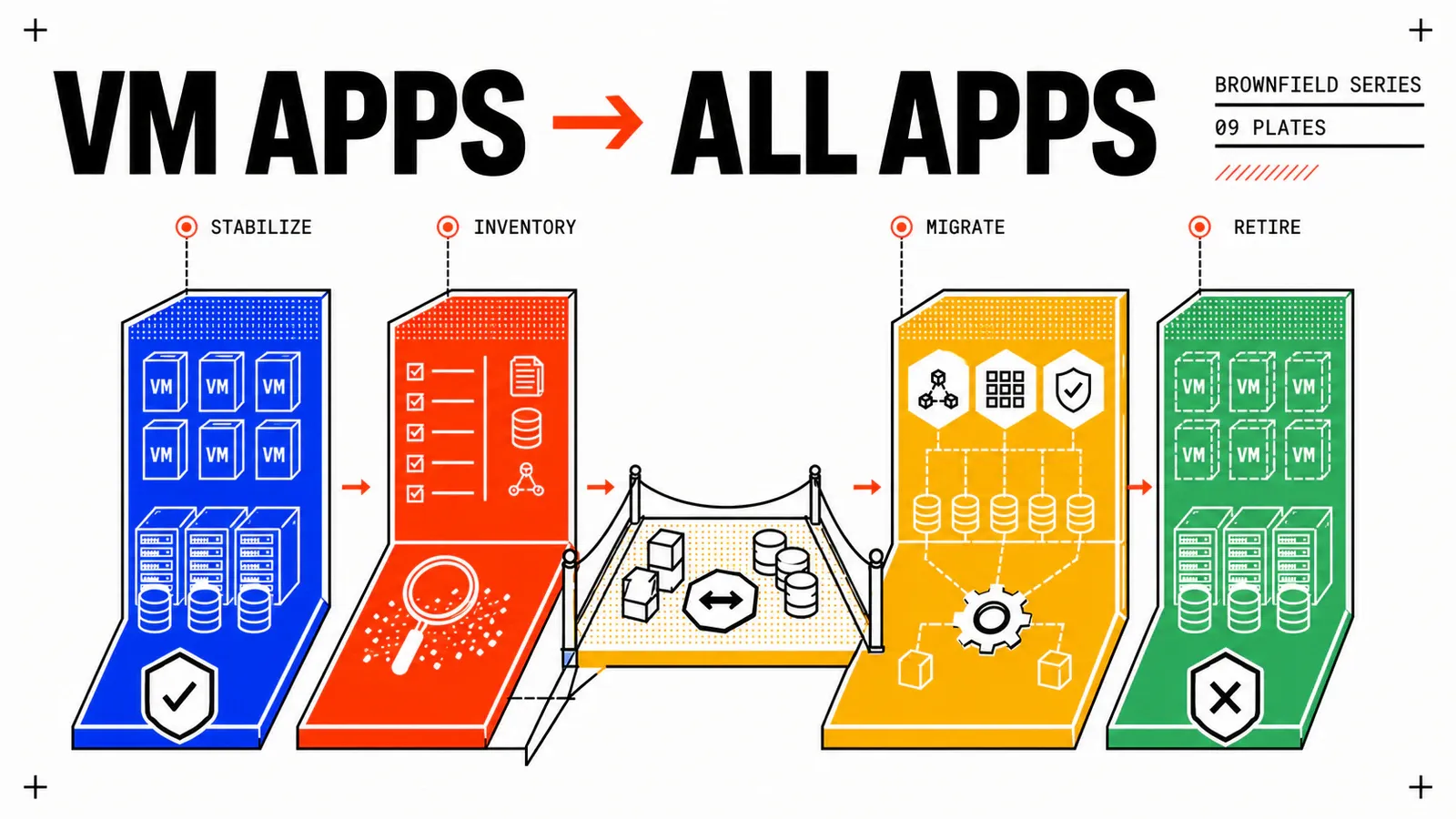
vcfa-brownfield-migration
A nine-part brownfield series covering post-upgrade stabilization, All Apps construction, wave-based migration, App Stack Formation, and legacy retirement.
Open series
Development for infrastructure practitioners: explore code, runtime, dependencies and configuration with TOP.
Open series
Infrastructure for developers: follow TOP from a URL to a working application.
Open series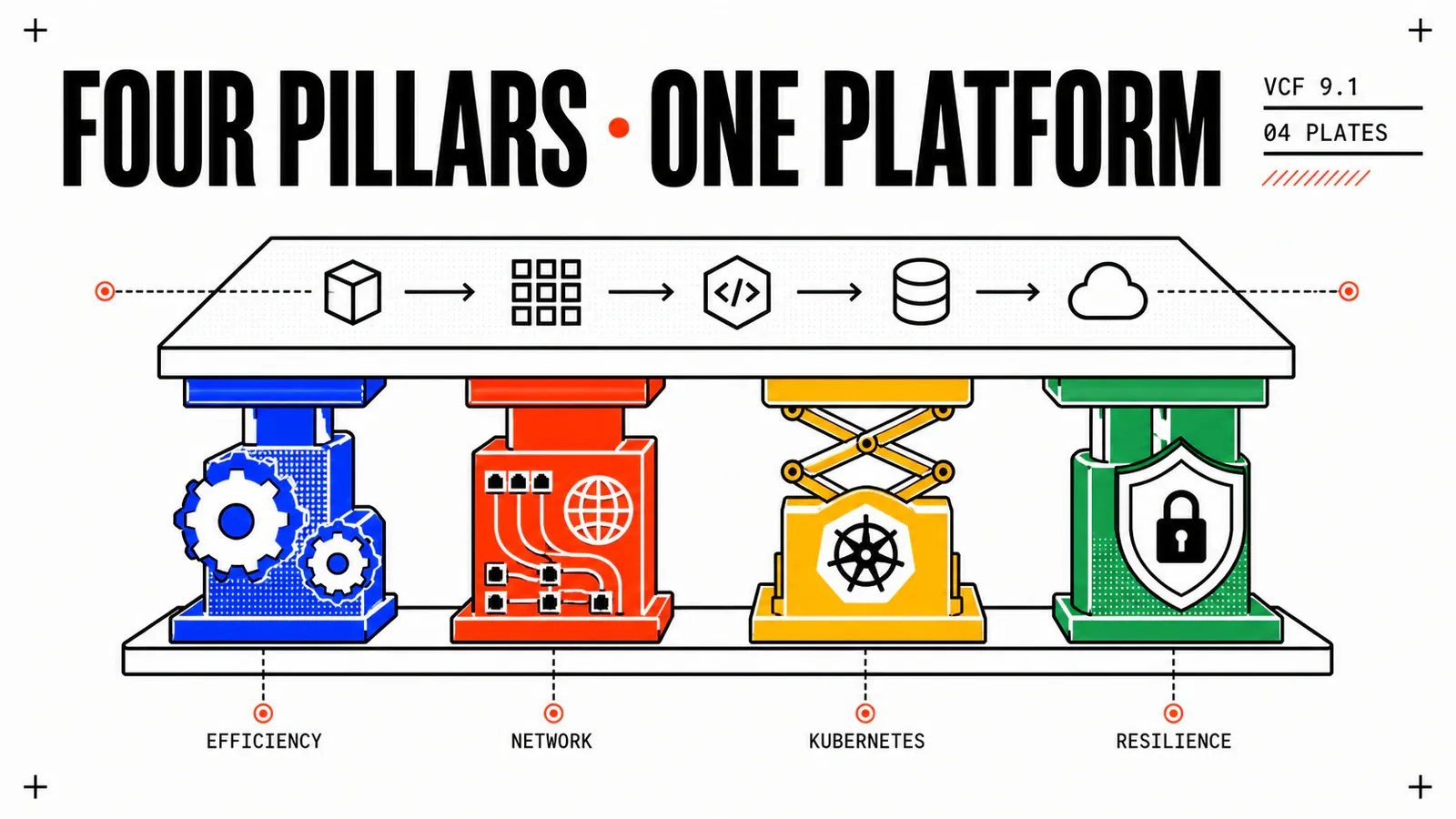
vcf-9-1
A four-part series decoding VMware Cloud Foundation 9.1: infrastructure efficiency, networking, Kubernetes self-service, security and resilience.
Open series
finops-cloud-native
Cost visibility, rightsizing and multi-cloud cost models for Kubernetes and VCF platforms.
Open series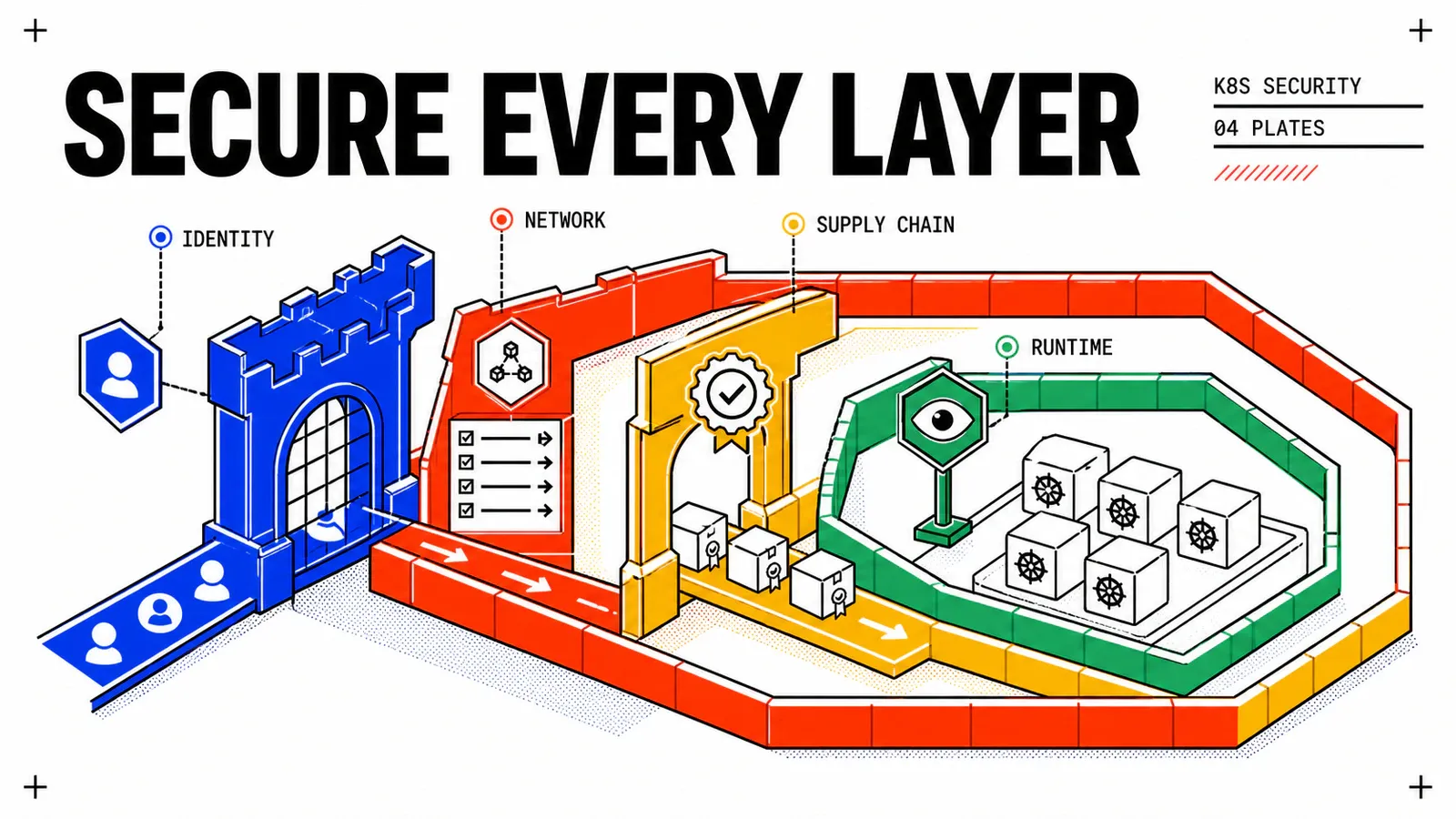
k8s-security-prod
The production security baseline for Kubernetes: RBAC, network policies, supply chain controls and runtime detection.
Open series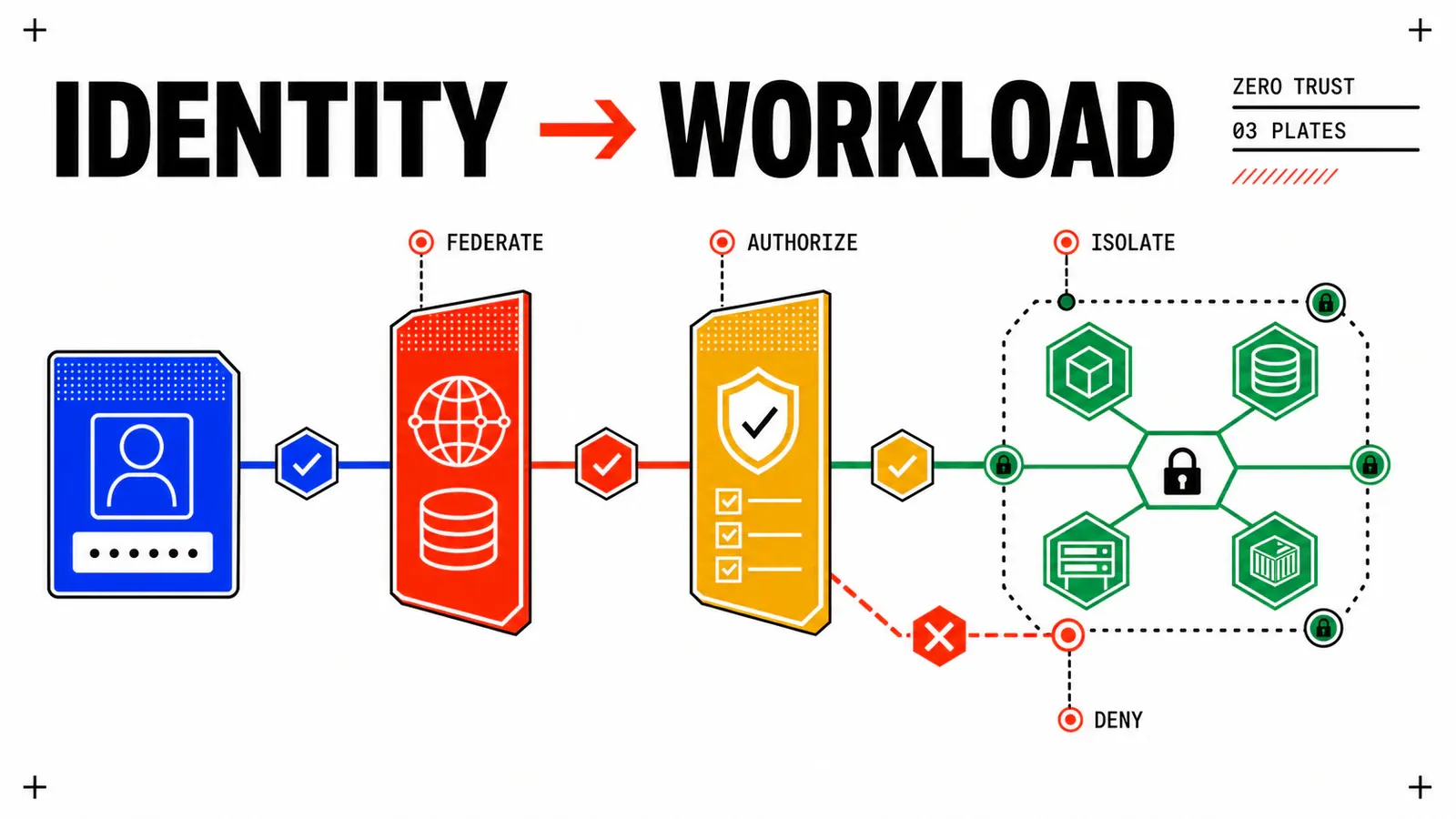
vcf-identity-zero-trust
Identity federation, SSO and workload firewalling patterns for a zero-trust VCF platform.
Open series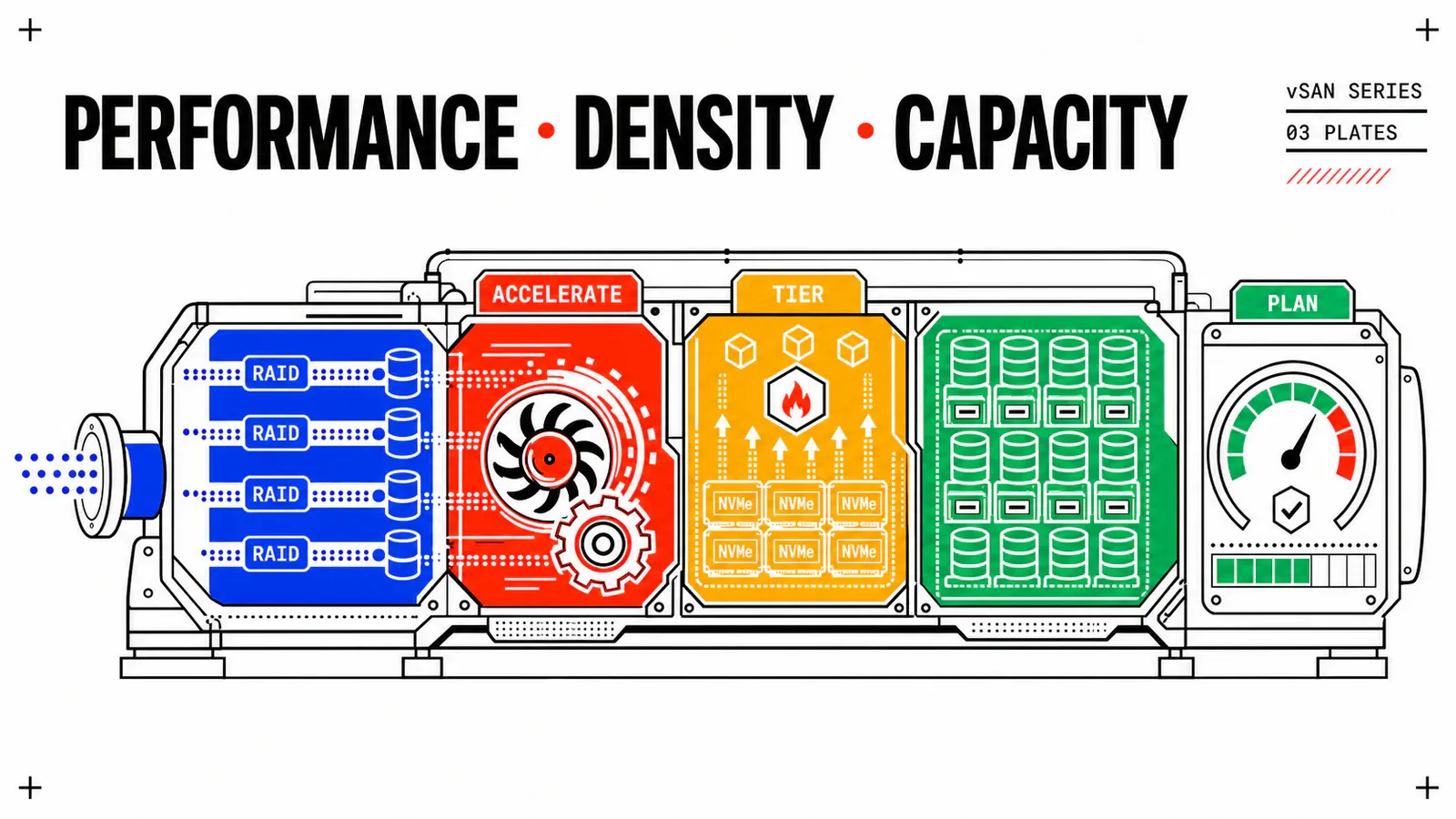
vsan-esa-memory-tiering
What ESA changes for performance, density and capacity planning in modern VCF environments.
Open series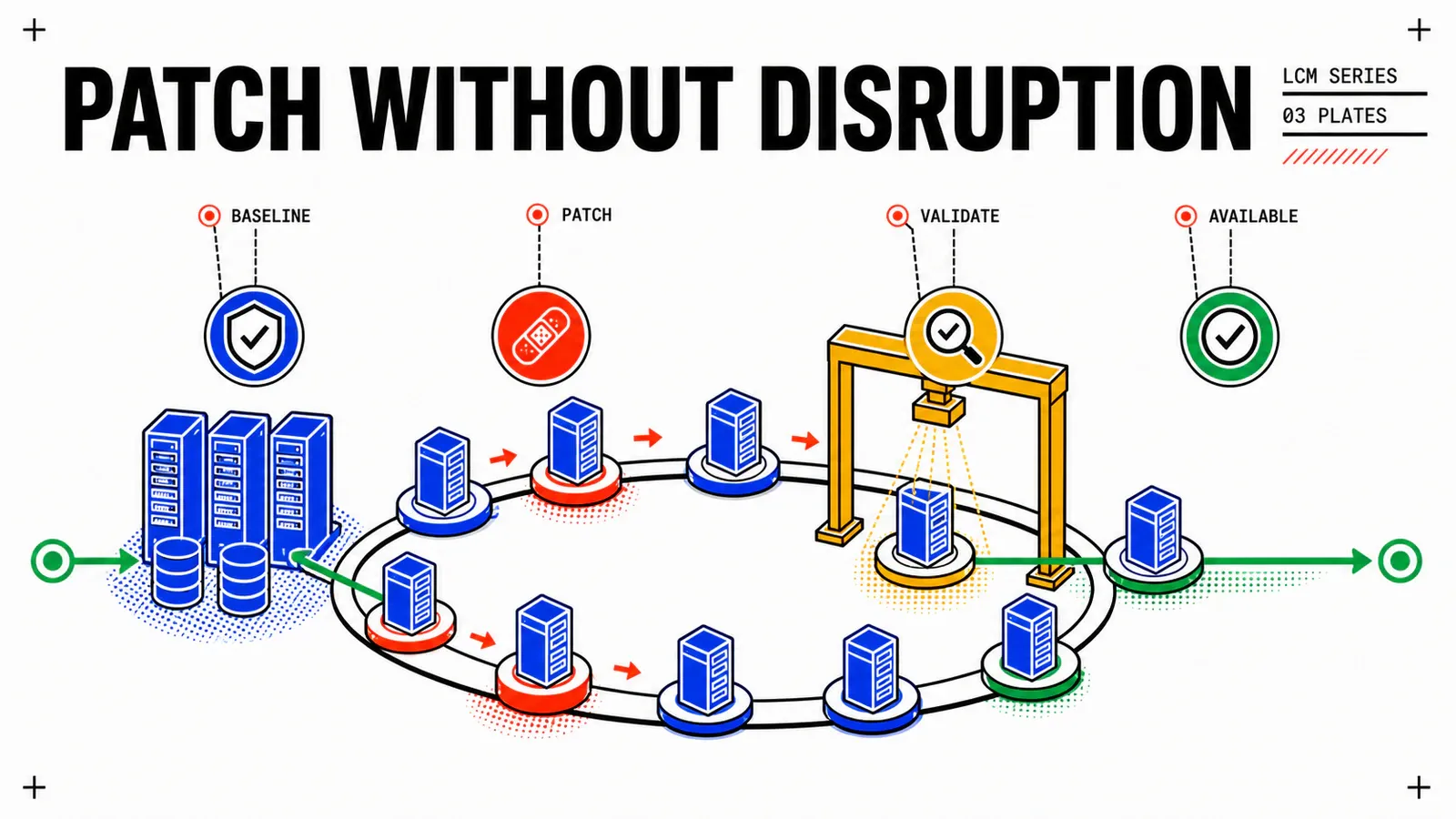
live-patching-lcm
Operational patterns for ESXi live patching, non-disruptive vSAN upgrades and VCF lifecycle workflows.
Open series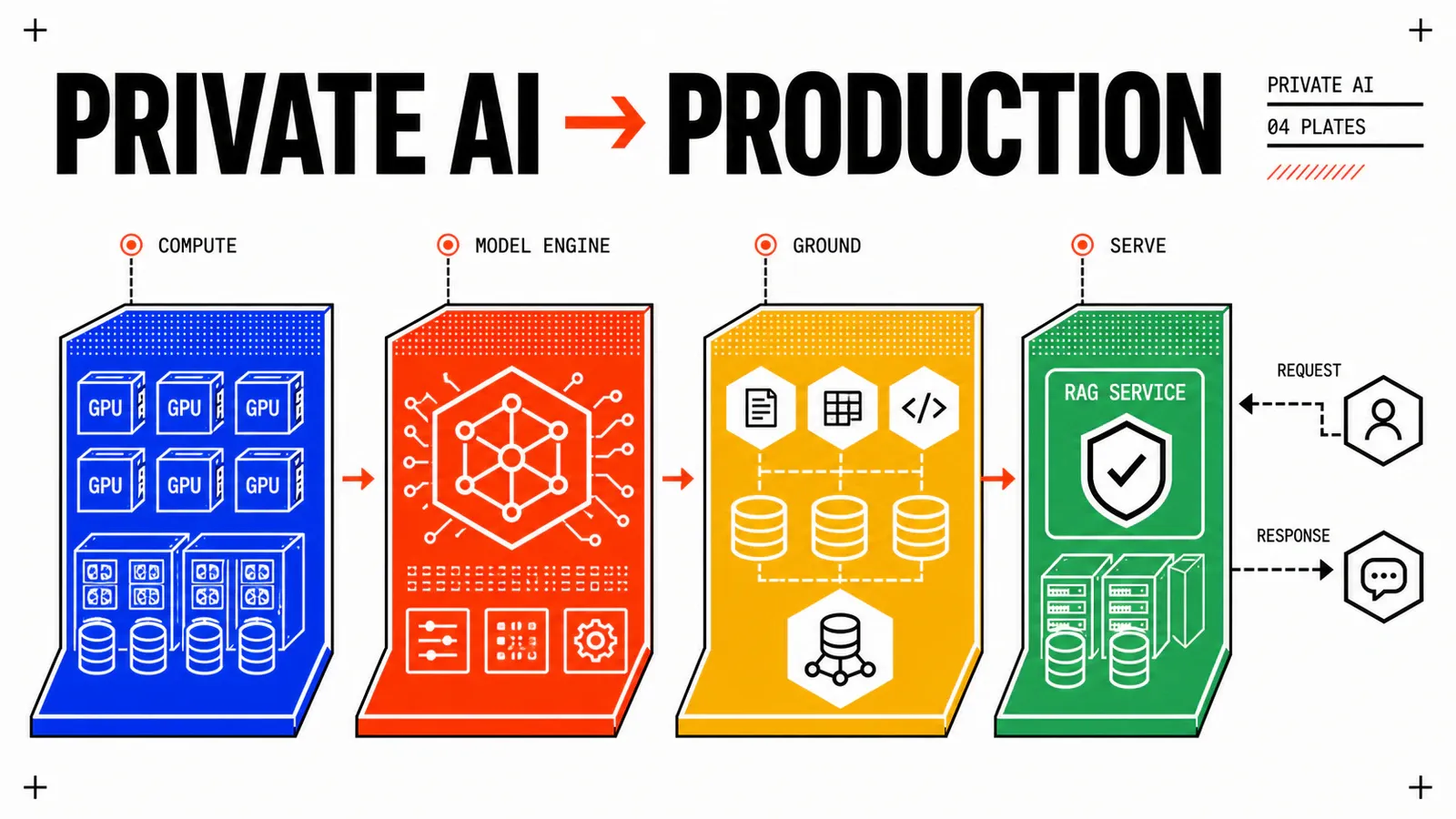
private-ai-vcf
A practical path for running private AI on VCF, from architecture to GPU pooling, vector databases and production RAG.
Open series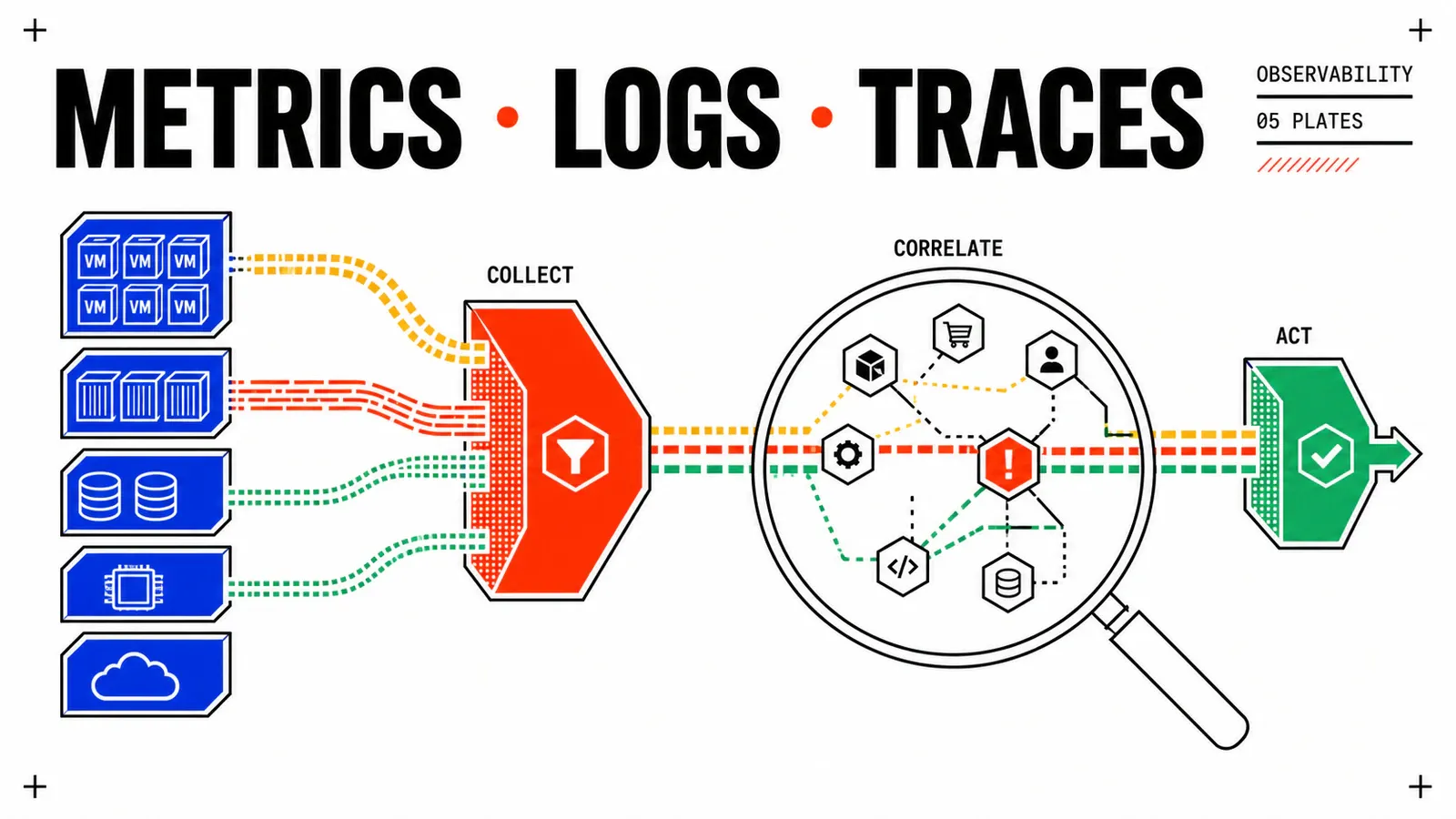
observability-vcf-k8s
Metrics, logs and traces for VCF and VKS: Prometheus, Grafana, Loki, OpenTelemetry and Aria Operations to instrument your platform end-to-end.
Open series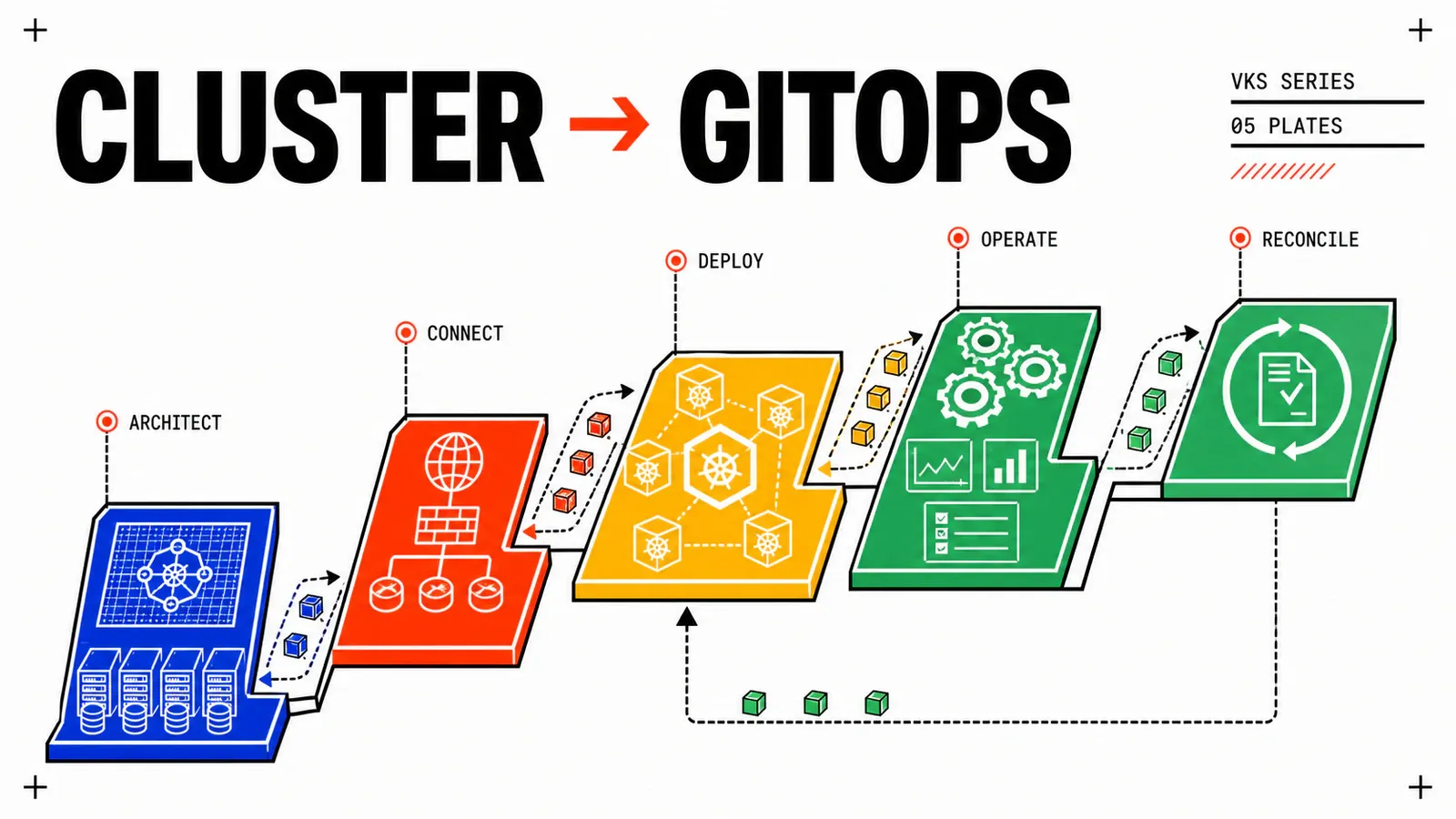
vks
Architecture, networking, first cluster, day-2 operations and GitOps for VMware Kubernetes Service on VCF 9.
Open seriesThe full back catalogue, newest first — including standalone pieces that belong to no series.
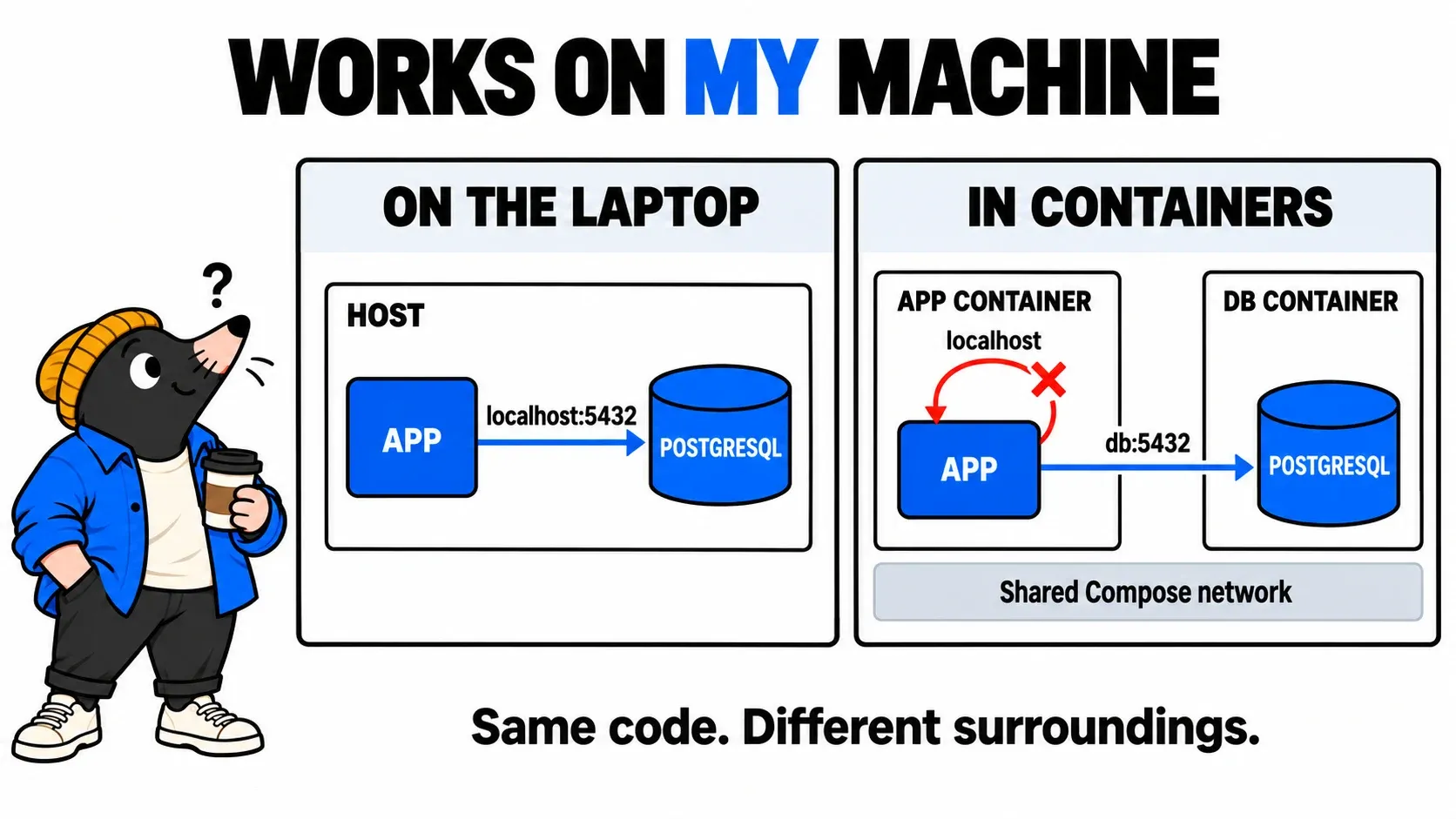
The app starts but cannot reach its database. Follow TOP through localhost, network traffic, service-account authentication and PostgreSQL permissions.
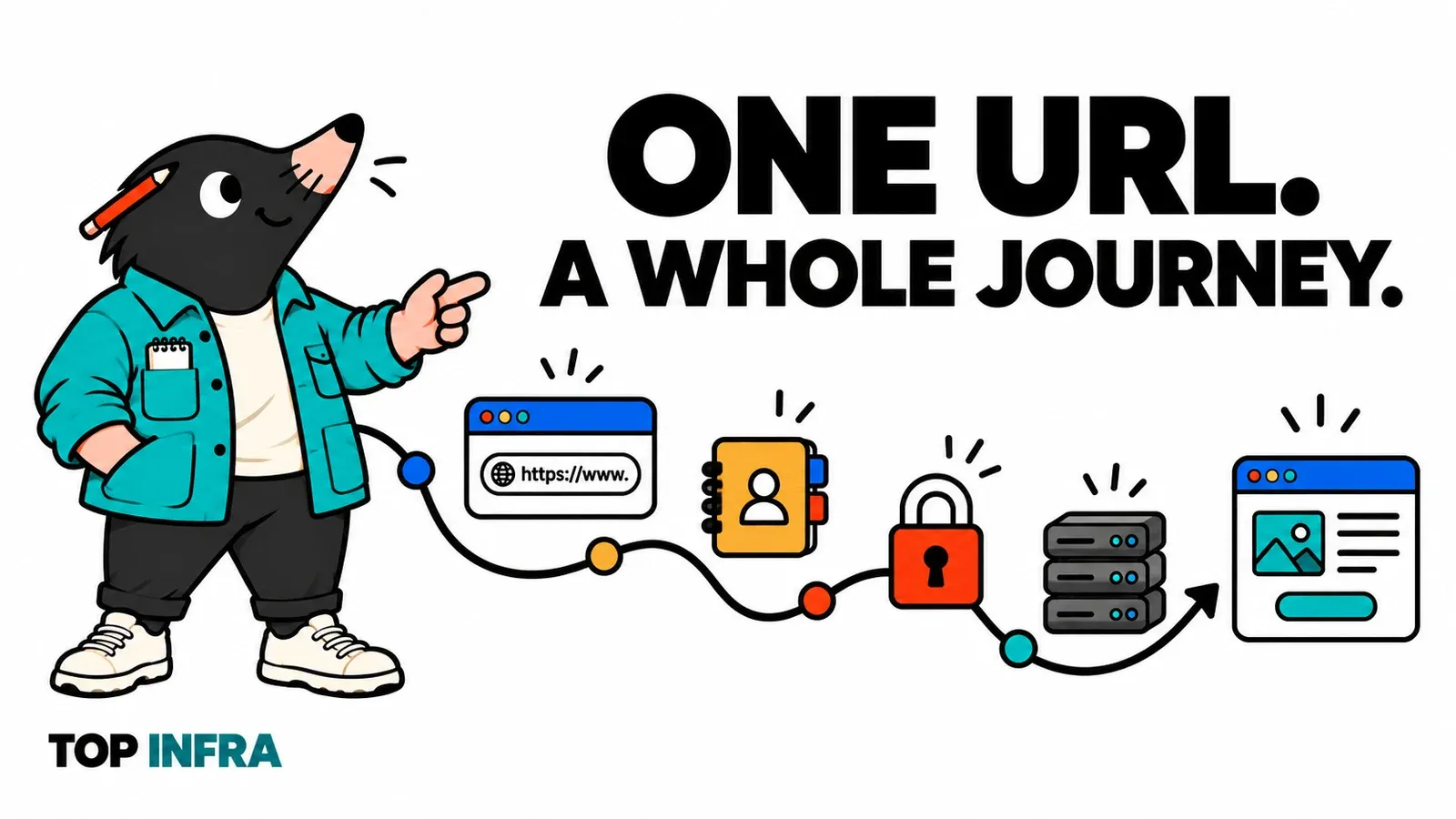
Follow TOP Infra from the address bar to the page: DNS, connections, HTTPS, HTTP and browser rendering, with a small experiment.
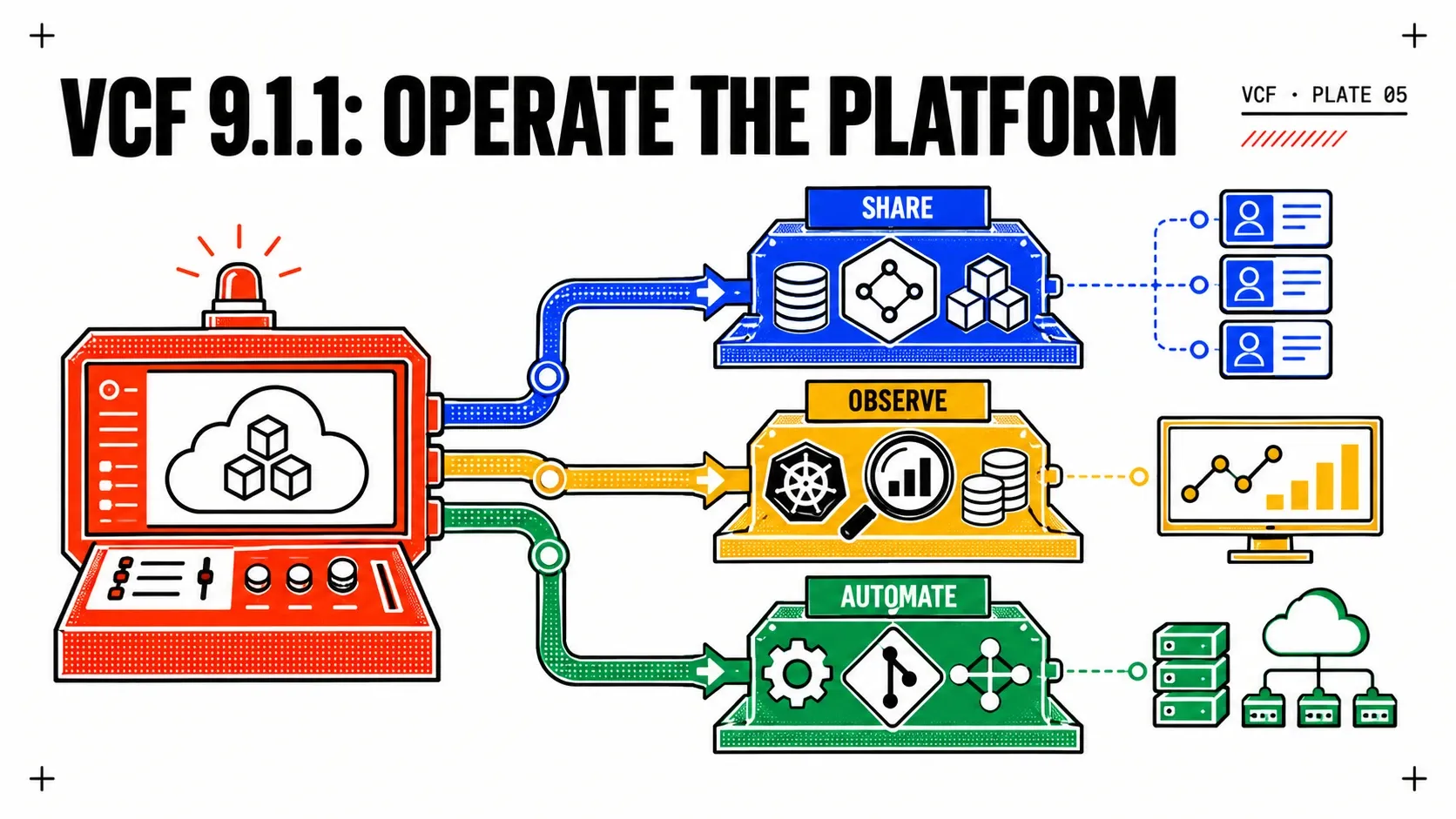
VCF 9.1.1 adds multi-tenant model sharing, an AI operations assistant, VKS observability, native GitOps, EVPN improvements, and a safer upgrade path.
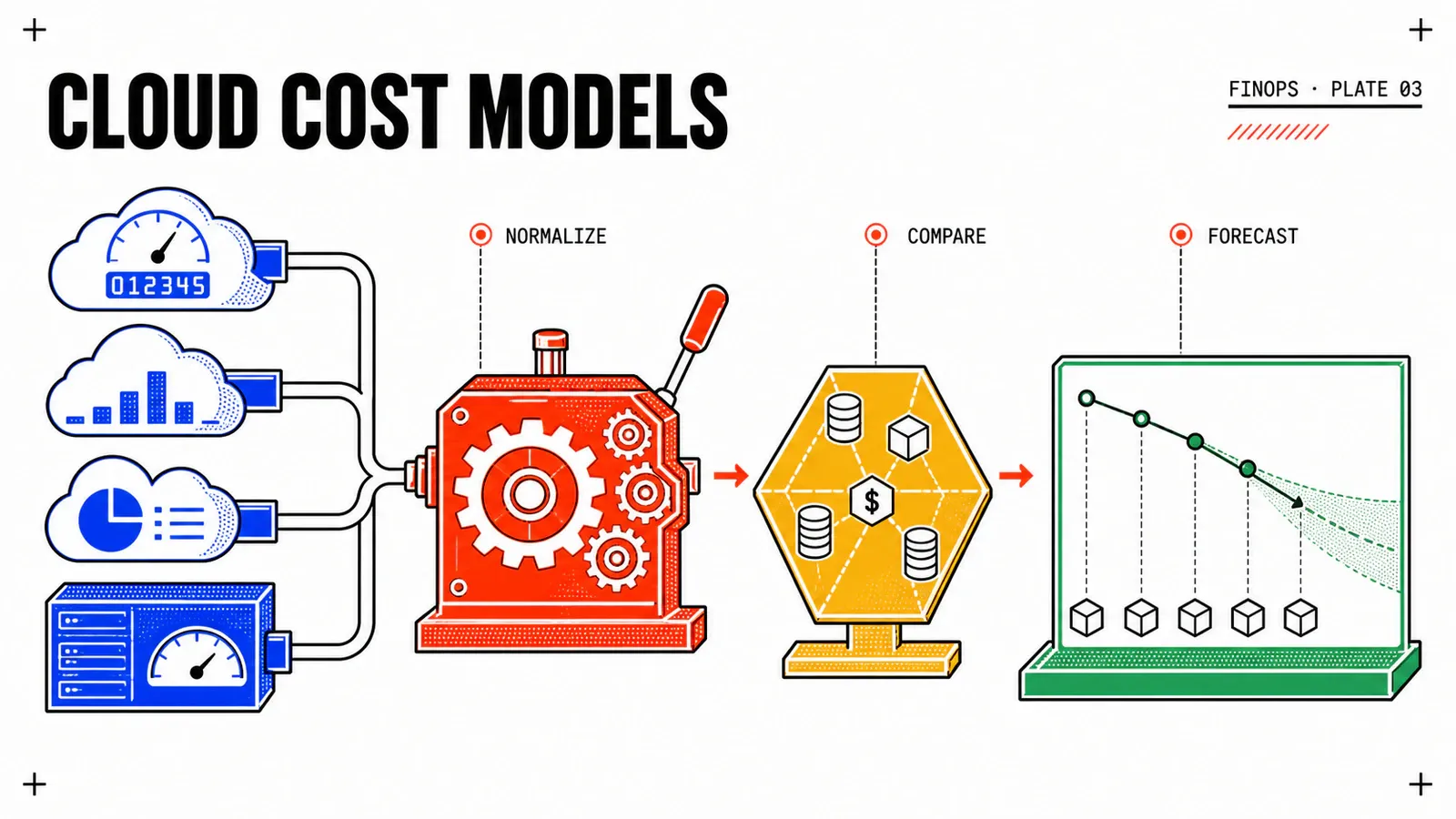
An EKS cluster-hour, an AKS tier, a GKE Pod request and depreciated VCF hardware are not four values of one variable. What each platform bills, and what VCF calculates instead.
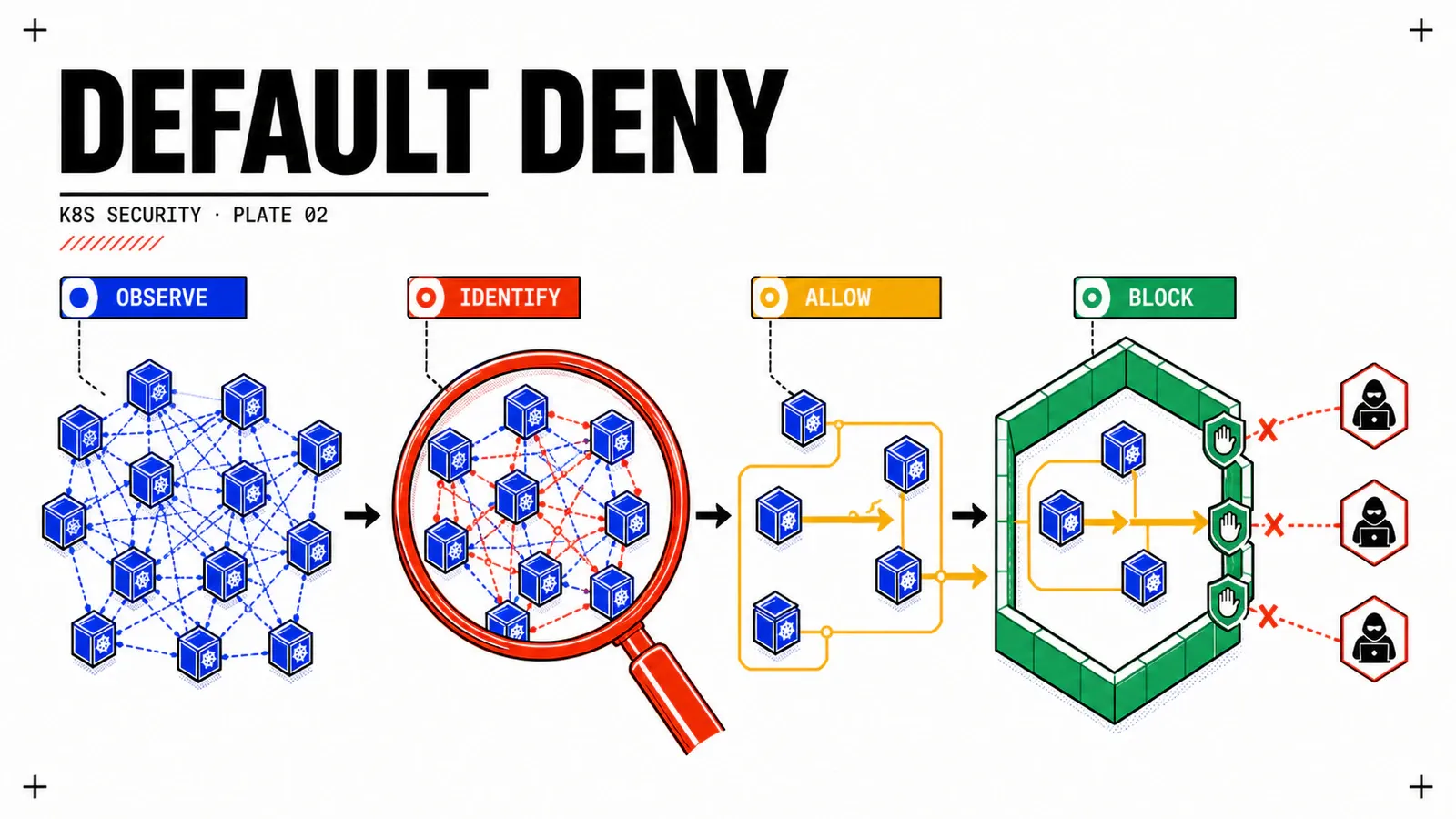
The NetworkPolicy API ships with Kubernetes; enforcing it is the CNI's job. What Cilium adds, what stays standard, and how to reach default-deny by watching real flows before blocking any.
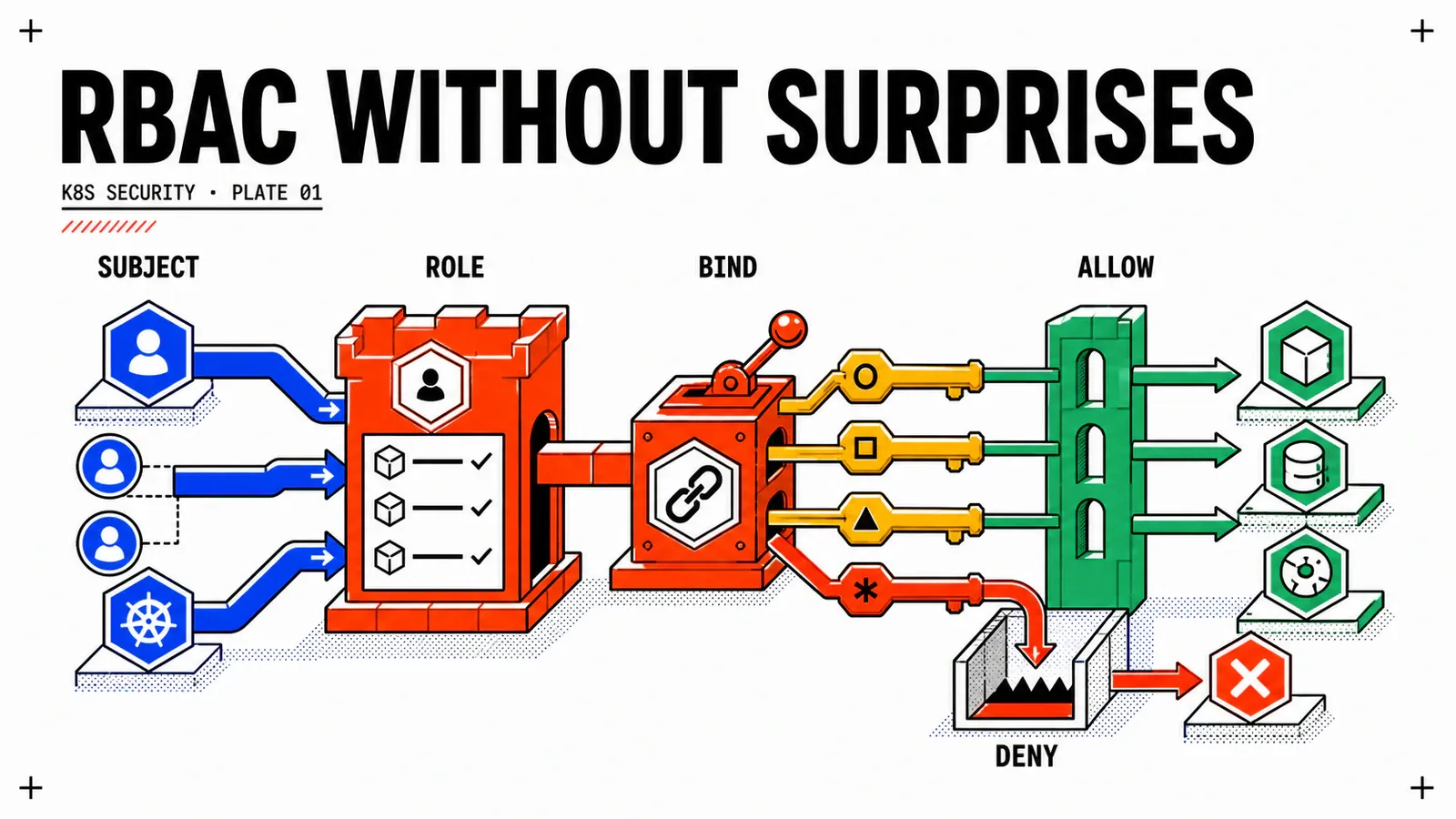
Every one of these pitfalls is published on kubernetes.io. What is missing is the ordering — and the path that leads from a vSphere Namespace straight to cluster-admin.